
 Français
 English
 Español
 Italiano
 Deutsch
 Nederlands
 Português
 Polski
 Norsk
 Svenska
 Dansk
Hotel in Marrakech Medina: The Charm of a Boutique Riad Hotel
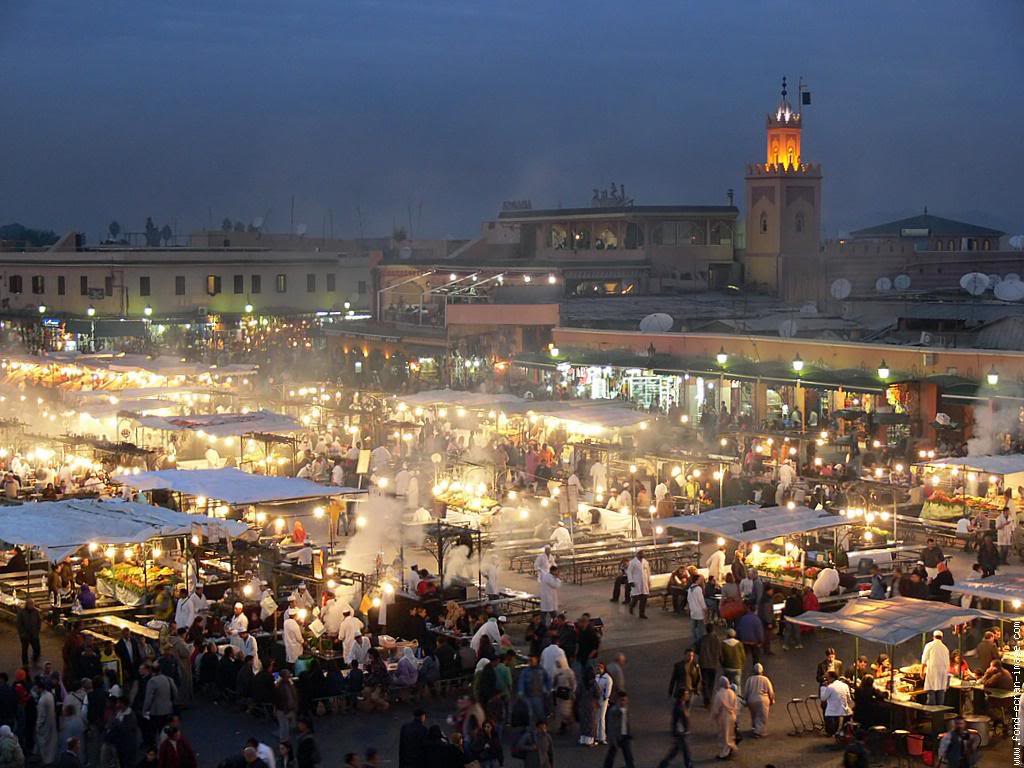
You are looking for a hotel in the Marrakech medina with character? The Riad Vendôme is a charming boutique hotel in Dar El Bacha, in the medina, a 7-minute walk from Jemaa El-Fna. A patio with fountain, a private hammam, a rooftop jacuzzi Atlas view, and Chef Naima who cooks for you. 12 rooms, the privacy of a home, the service of a hotel. From €70/night.
In brief: Hotel in Marrakech medina
- Riad Vendôme is a 12-room boutique hotel alternative in the Marrakech medina, with rooms from €70 per night on direct booking, plus a full Moroccan breakfast at 5 euros per person.
- Hammam, massage rooms, patio pool and rooftop jacuzzi make it a hotel with a spa: see our riad with spa page.
- Set in Dar El Bacha, at 217 Derb El Halfaoui, the riad is a 7-minute walk from Jemaa El-Fna and about 20 minutes from Marrakech-Menara airport.
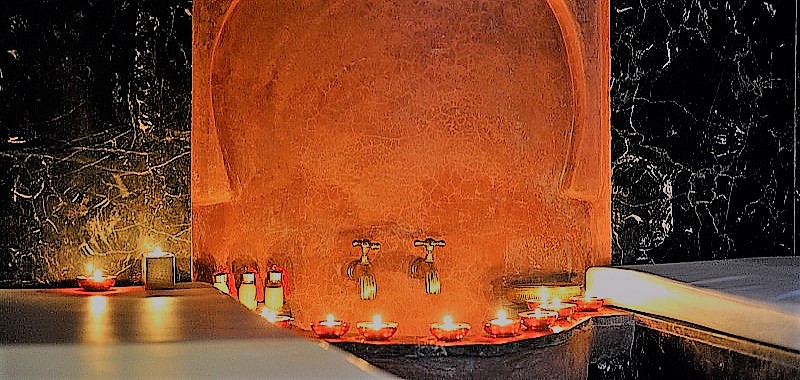
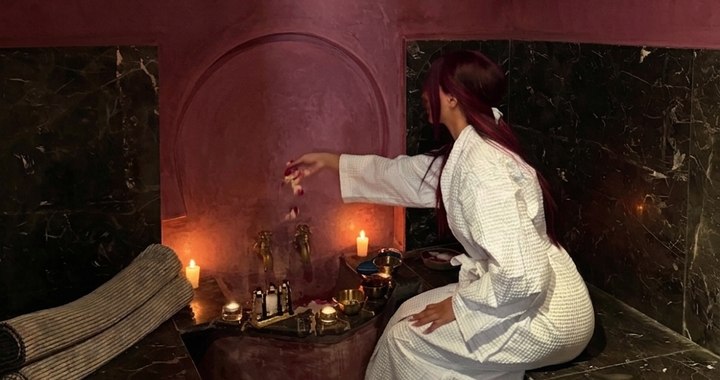
- On site are a private marble and tadelakt hammam with massage from €38 per hour, a rooftop jacuzzi heated to 36°C with Atlas views, and a patio pool.
- Direct booking / WhatsApp: +212 600 608 608
Riad vs Hotel: why choose a boutique hotel
Book your room at Riad Vendôme: + 212 600 608 608
In a classic hotel (Gueliz, Palmeraie, Hivernage), you have a standardised room and an impersonal lobby. You are far from the medina.
In a boutique riad, you're in the heart of the medina, in a traditional house with patio. Breakfast is home-cooked. The hammam is private. The owner advises you personally. You walk straight out into the souks.
For two nights with the treatments included, see our spa weekend in Marrakech.
Chef Naima's dinner can be added each evening with the half-board option.
Riad Vendôme combines the two: authenticity of a boutique hotel + the comfort of a 4-star hotel. Air conditioning, high-speed Wi-Fi, premium linen.
Hotel with spa in Marrakech
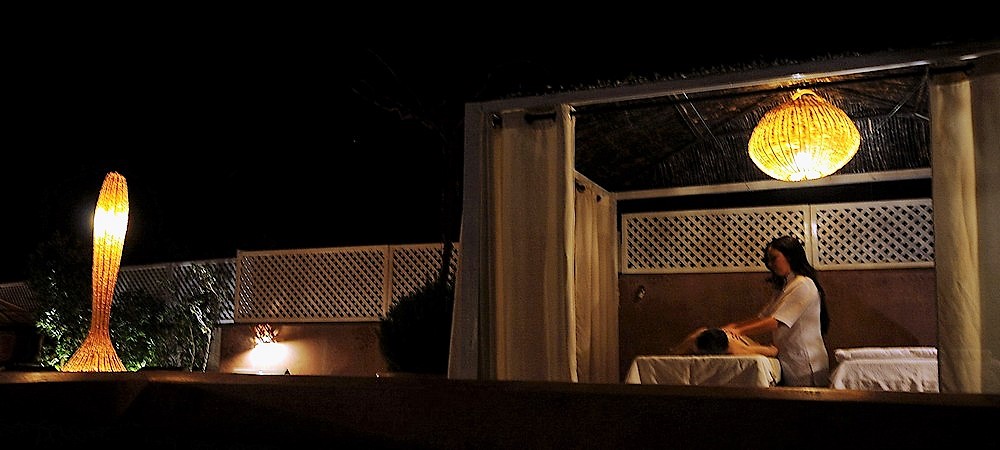
Riad Vendôme has a private spa: hammam in marble and tadelakt, black-soap scrub, organic argan-oil massage. No queuing. See the treatments.
Hotel with jacuzzi and pool
Jacuzzi heated to 36°C on the rooftop, with panoramic views of the Koutoubia and the Atlas. Patio pool in summer.
The rooms
12 rooms over 3 levels, up to 20 with a partner riad 100m away. Private bathroom, air conditioning, Wi-Fi, safe. See rooms and prices.
Restaurant at the property
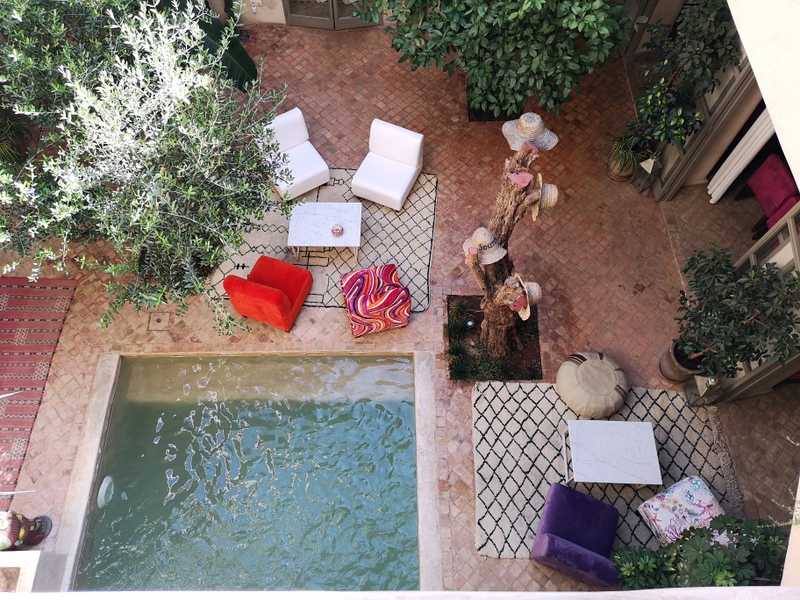
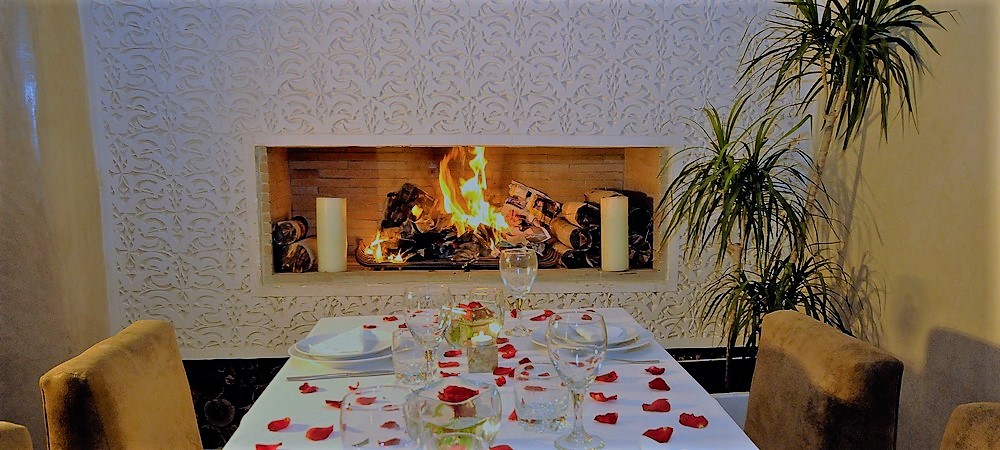
The Moroccan breakfast is served every morning at €5 per person, and Chef Naima prepares dinners on request: tagines, couscous, pastilla. Dinner on the rooftop under the stars or in the patio.
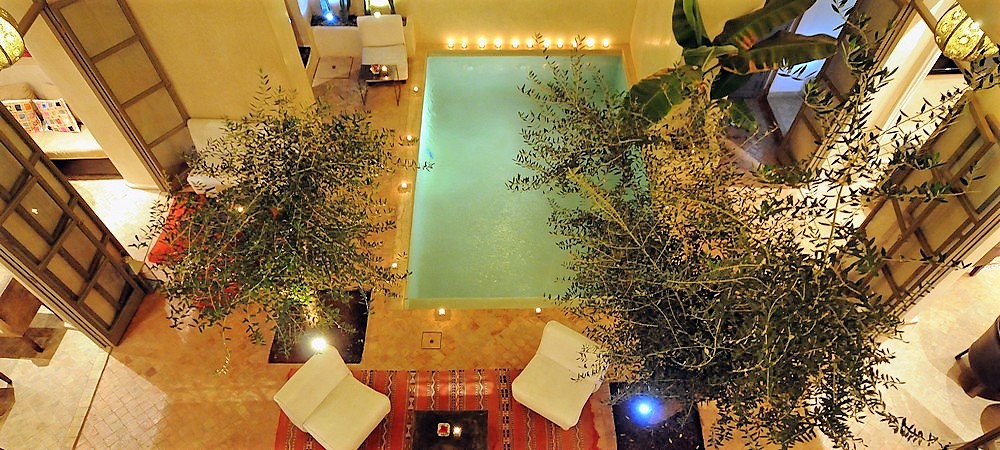
Half board at the riad: Chef Naima's three-course Moroccan dinner, €21 per person per night, €19 per person for a family of 4 or 5, on top of the room, with the patio pool and the rooftop jacuzzi heated to 36 °C.
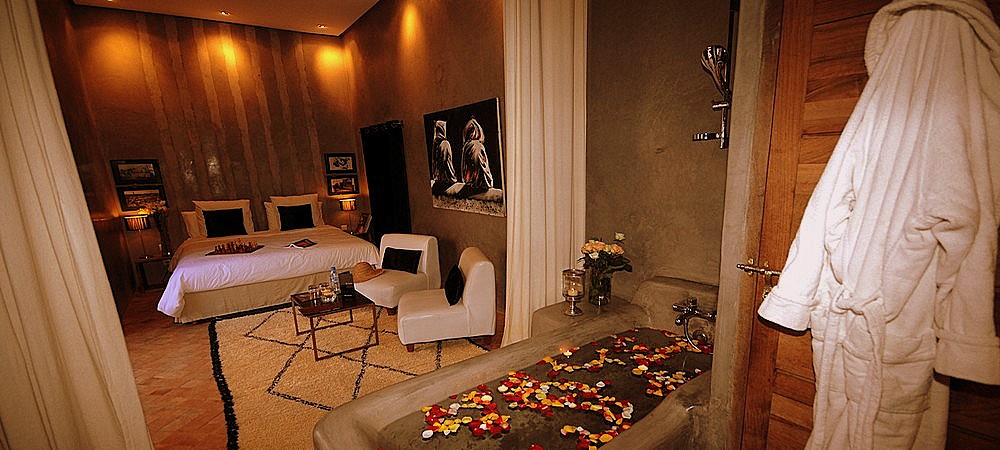
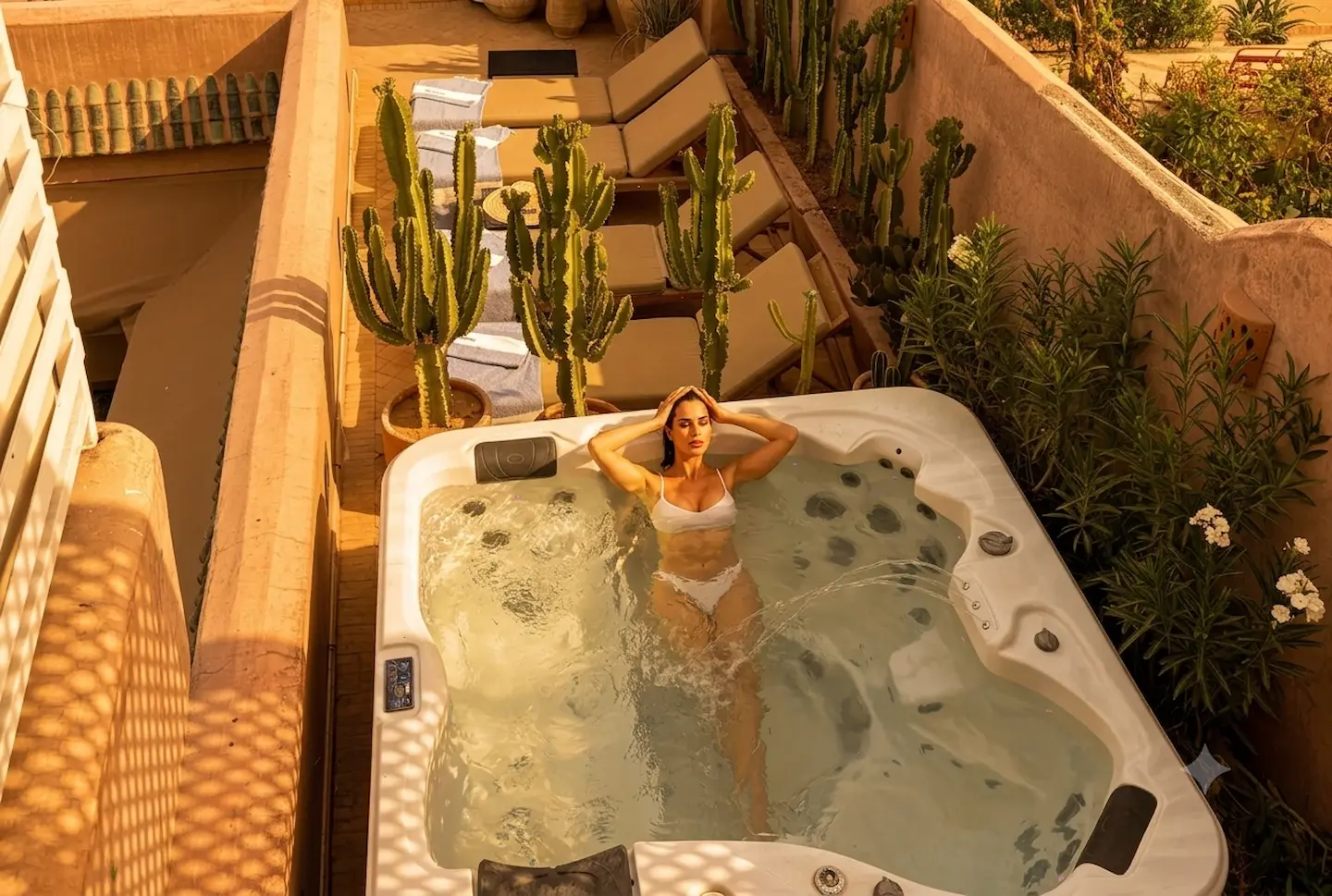
Follow us: @riadvendome on Instagram
Riad vs Hotel in Marrakech - Why Choose a Riad?
Choose a riad for location and atmosphere: the riad puts you 7 minutes on foot from Jemaa El Fna square, inside the historic medina, surrounded by centuries-old architecture, whereas standard Marrakech hotels are often outside the medina, convenient for cars but far from the authentic city centre. You wake up to the sound of the muezzin and the smell of orange blossom from the patio.
The riad has 12 individually decorated en-suite rooms, a patio pool, a rooftop jacuzzi at 36°C, a traditional hammam and spa, and a panoramic terrace with Atlas mountain views. It is classified by the Moroccan Ministry of Tourism. Rated 4.3/5 on Google (247 reviews) Direct booking with Éric.
Room Rates and What's Included
Rooms at the riad start from €70/night. The full Moroccan breakfast (msemen, amlou, olive oil, honey, fresh orange juice) is €5 per person. All rooms have air conditioning, WiFi, and private bathrooms. The patio pool and rooftop terrace are included for all guests. The hammam and spa treatments are available at the prices listed on our spa price list.
Riad or hotel in Marrakech?
If you hesitate between a classic hotel and a boutique riad in the medina, see our guide on how to choose the best boutique hotel in Marrakech. a boutique riad offers an authentic experience, patio, hammam, Moroccan cuisine, in a historic setting. The riad, run by a French owner, combines the charm of an 18th-century boutique hotel with the services of a quality hotel.
The first decision: which district you sleep in
Most people begin the search for a hotel in Marrakech by comparing properties. It is more useful to begin with the map. Marrakech is a walled old town beside a modern town, with garden districts and palm groves further out, and those areas produce genuinely different holidays. The district decides how you move around and how much of the city you meet on foot rather than through a taxi window.
The medina is the historic walled quarter. Its lanes are pedestrian, so a vehicle leaves you at a gate or a nearby parking area and the last stretch is walked. In exchange you live inside the old city: the souks, the workshops and the call to prayer are outside your door rather than a journey away. People who dislike the medina usually dislike arriving with heavy luggage, or finding their way through the alleys after dark.
The new town, Gueliz, is laid out on straight avenues with pavements, cafés and easy taxis. It is legible on the first evening in a way the medina is not, and suits travellers who want familiar urban texture or who are here for work. The trade-off is that the old city becomes somewhere you travel to rather than somewhere you live. Hivernage sits between the two, quieter and greener, largely built around larger hotels. The Palmeraie holds the big garden properties: space, calm, and a taxi for every outing.
A simple test. Picture the last hour of your day. If you want to walk home through lit alleys after mint tea on a rooftop, choose the medina. If you want to park, take the lift and find the bar still open downstairs, choose a hotel outside the walls. Settling this first makes every later choice easier.
What the types of accommodation actually are
Booking sites assume you already know the vocabulary. Here is what the words mean on the ground.
A riad is a traditional house built inwards around an open courtyard. There are few or no windows on the street, because the house looks at itself: rooms open onto galleries above a patio, often with a fountain, and there is usually a roof terrace above. Riads are small by nature, run by a resident team who will know your name by the second morning, and breakfast is cooked and served in the courtyard rather than laid out as a buffet. They suit travellers who want the building itself to be part of the trip, and suit very light sleepers less well when the house is full, because a courtyard carries sound upwards.
A dar is the same idea in a house without the garden courtyard, and boutique hotel is used loosely for any small property with a designed character, sometimes a converted house, sometimes purpose-built. The label matters less than the number of rooms and whether staff are on site at night.
A large hotel or resort offers what scale makes possible: a reception always staffed, a lift, several restaurants, a big pool, published spa hours, a kids' club, and a coach that can pull up at the door. An apartment gives you a kitchen, independence and room to spread out, and removes breakfast, housekeeping and anyone to ask; it suits confident repeat visitors and families who would rather cook than eat out twice a day.
The riad-against-hotel comparison is set out in our separate guide to riad or hotel in Marrakech; this page deals with the earlier question of how to choose at all. For the medina specifically, see staying in the Marrakech medina.
Matching the accommodation to the trip you are taking
- A first visit. Stay in the medina if the old city is why you are coming, and choose somewhere that will collect you. Arrival is the only genuinely awkward moment of a medina stay, and being met removes it.
- A return visit. Optimise for the thing you came back for: a quiet courtyard, a pool, a hammam, a quarter you never had time for.
- A family trip. Look at stairs, at how rooms connect, and at whether children can be in the water while you remain in sight of them. See family stays and Marrakech with children.
- A couple's break. Small properties tend to win, because the stay is decided by the terrace, the light and the silence rather than a facilities list.
- A group. Beyond a handful of rooms, taking a whole house usually beats scattering people through a hotel: everyone eats together and nobody negotiates with strangers at breakfast. See exclusive hire.
- A business trip. Ask about the working essentials before the charm: a reliable connection, somewhere a call can be taken, a desk, and how long the journey to your meetings takes at the hour you will travel. See seminars in Marrakech.
What the photographs do not tell you
Listing photographs are honest about surfaces and silent about everything else. Four things no image will answer:
How far it really is on foot. A stated walking time is measured by somebody who knows the way, walks briskly and carries nothing; your first walk will be slower. Ask what the last part is like: a paved lane, a busy street, steps, or a stretch no vehicle can enter.
Whether the courtyard is calm or echoing. A courtyard is an acoustic object. Conversation at the fountain rises to the galleries, so a full house sounds nothing like an empty one. If you sleep lightly, ask which rooms sit furthest from the patio.
Where the sun actually falls. Pool photographs are taken at the flattering hour. A courtyard pool enclosed by high walls may be in shade for much of the day, a relief in high summer and a disappointment in spring. Ask when the water and terrace are in sun, and whether there is a heated jacuzzi for the cooler months. See riad with a heated pool and when to visit Marrakech.
How many stairs there are. Traditional houses grow upwards rather than sideways, and lifts are rare in them. If stairs are a problem, ask directly rather than infer: see accessibility.
Questions worth asking any Marrakech property before booking
Send these to any property, of any type, before you pay. The speed and precision of the reply tell you as much as the answers do: a place that answers clearly before booking tends to answer clearly once you are there.
- How do I reach your door from the airport, and will somebody meet me?
- Can a vehicle reach the entrance, and if not, is luggage carried the last stretch?
- Is breakfast included, and where and at what times is it served?
- Is there heating as well as air conditioning, and is hot water constant?
- Which room specifically are you offering me, and may I see photographs of that room rather than of the category?
- Is anybody on site during the night?
- Will other guests or events be in the house on my dates?
- How do I pay, what is the cancellation position, and what is not included in the quoted price?
Why star ratings translate poorly, and what to read instead
A star rating is built to describe a particular kind of building: corridors, lifts, a staffed reception, room service, restaurant hours, a countable set of facilities. Much of that vocabulary does not apply to a house built around a courtyard, so a small property can be excellent and still score modestly against a checklist written for something else. The reverse holds too: a large property can satisfy every line and remain forgettable.
Read reviews for texture rather than for the average, and look for repetition. If several unrelated guests name the same member of staff, the same breakfast or the same problem, that is signal. One furious review is usually noise; several calm ones describing the same lukewarm shower are not. Guest photographs tell you more than the property's own, and the way an owner replies to criticism is the closest you will get to meeting them beforehand.

Practical details that matter more here than elsewhere
- How you reach the door. In the medina the final approach is pedestrian, and whether that feels charming or exhausting depends almost entirely on whether somebody is expecting you. A roof terrace, likewise, is a room in its own right here: ask whether it is shaded and at which hours it is usable.
- Whether luggage is carried. A place that sends someone to meet you at the parking area has removed the single biggest objection to the old town.
- Breakfast. In riads it is commonly included and cooked that morning; in larger hotels it is often a separately priced buffet. Confirm which, because it changes the comparison between two rates.
- Heating as well as cooling. Summers need real air conditioning, and winter nights in thick-walled old houses are colder than visitors expect. Ask whether the same units heat as well as cool. See staying warm in winter.
- Payment. Ask what is accepted, whether cash is needed for anything, and what the rate includes when booked directly rather than through a platform. See booking direct.
When a large hotel is genuinely the better choice
There is no sense pretending a riad suits everybody. A large hotel outside the walls is the better decision when somebody cannot manage stairs and needs a lift; when young children need a shallow pool, a kids' club and food at odd hours; when you arrive very late or leave before dawn and want a staffed desk whatever the time; when you are driving and want to park at the door; when the trip is really about golf, a conference or a wedding held elsewhere; or when predictability matters more to you than character, which is a reasonable preference and not a failure of imagination.
A riad is the better decision when the old city is the point of the journey, when you would rather be known than processed, and when you are content to walk the last part of the way. Choose honestly against that and you will enjoy Marrakech whichever door you sleep behind. Further reading: how to choose a riad, staying near Jemaa El-Fna and our Marrakech travel guide.
Frequently Asked Questions
Where is this hotel located in Marrakech?
In Dar El Bacha, in the Marrakech medina, at 217 Derb El Halfaoui, in Dar El Bacha. The riad is 7 minutes on foot from Jemaa El Fna and 100 m from the Dar El Bacha Palace. Taxis drop you 100 m from the door, with parking on the road 100 to 300 metres away, and Marrakech-Menara airport is about 20 minutes away by taxi.
Does the hotel have a spa?
Yes, the riad has its own spa, open every day from 9 am to 9 pm: a private hammam for 3 people at a time, never shared, and two massage rooms, one of them for couples. A one-hour massage starts at €38 and the hammam with black soap scrub costs €35 per person. Treatments can be booked on WhatsApp up to one hour before.
Is the hotel suitable for families?
Yes. The family suite Tanger, from €160 a night, sleeps 5 on a mezzanine, adults downstairs and children upstairs, and the Junior Suites Merzouga and Zagora connect through a private patio for 5 people. The riad is in a quiet, very secure district, with someone on site 24 hours a day. Half board for a family of 4 or 5 is €19 per person a night.
Is there Wi-Fi in the rooms, and is it fast enough to work?
Yes, 100 Mb fibre optic, free, in the rooms and in the common areas: the patio, the Moroccan lounge with its fireplace and library, and the rooftop. It carries video calls, which is why the riad is used for small seminars and for remote workers. If you need to hold a call at a set hour, tell Éric and he will point you to the quietest corner at that time of day.
Which district of Marrakech should I stay in?
For a trip centred on the old city, stay in the medina: the souks, workshops and Jemaa El Fna are on foot, but the lanes are pedestrian, so the last stretch is walked. Gueliz, the new town, has pavements, cafés and easy taxis. Hivernage and the Palmeraie are quieter and greener, with a taxi for every outing. The riad sits in Dar El Bacha, 7 minutes from Jemaa El Fna.
What is the difference between a riad, a dar and a boutique hotel?
A riad is a traditional house built around an open courtyard, with rooms opening onto galleries above a patio and a roof terrace on top. A dar is the same idea without the garden courtyard, and boutique hotel loosely means any small property with designed character. The number of rooms and night staff matter more than the label: this riad has 12 rooms and someone on site 24 hours a day.
Is a large hotel ever the better choice in Marrakech?
Yes, a large hotel is the better choice when somebody cannot manage stairs and needs a lift, when young children need a shallow pool and food at odd hours, when you want a staffed desk for a very late arrival, or when you want to park at the door. For comparison, this riad has 3 levels and no lift, and taxis stop 100 m from the entrance.
How do I judge a riad if star ratings tell me little?
Read reviews for repetition rather than for the average, because star ratings describe corridors, lifts, reception desks and restaurant hours that barely apply to a courtyard house. The same member of staff named by unrelated guests, or the same problem described calmly more than once, is the real signal, and guest photographs say more than the property's own. For reference, this riad is rated 4.3/5 on Google from 247 reviews.
What should I ask a Marrakech property before I book?
Ask six things: how you reach the door from the airport and whether someone meets you, whether a vehicle reaches the entrance and luggage is carried, whether breakfast is included and when, whether there is heating as well as air conditioning, which exact room you are offered, and whether anyone is on site at night. Here, breakfast is €5 per person from 8:30 to 11:00, and someone is on site 24 hours a day.
What do photographs of a riad usually not show?
Three things: how long the walk really takes with luggage when you do not know the way, how the house sounds when it is full, since a courtyard carries voices up to the galleries, and where the sun falls, because a pool enclosed by high walls can be in shade for part of the day. Ask about all three. Here, for instance, the patio pool is heated to 27 °C all year.
Are courtyard riads noisy?
They can be when the house is full, because sound rises from the patio to the rooms above it. Against that, medina houses turn their backs to the street, so traffic noise is largely shut out, and Dar El Bacha is a quiet, residential district. Light sleepers should ask for a room furthest from the patio, and know that the call to prayer sounds five times a day, including before dawn.
⭐ Google 4.3/5 (247 reviews) · ✈️ TripAdvisor 4.2/5 · 🎉 500+ events organised since 2013
What does a riad offer that a standard Marrakech hotel does not?
Riad Vendôme has 12 individually decorated en-suite rooms from €70 a night, a heated patio pool, a rooftop jacuzzi, a traditional hammam and spa, and a 250 m² terrace with views of the Atlas. It is classified by the Moroccan Ministry of Tourism, rated 4.3/5 on Google from 247 reviews, and booked directly with Éric, the owner, on WhatsApp at +212 600 608 608.
Further reading on the same subject: Affordable boutique hotel in Marrakech: Quality & Value from €70 and Weekend at a boutique hotel in Marrakech: Authenticity in the Heart of the Medina.
The riad is classified by the Moroccan Ministry of Tourism.
Meet your host: Meet Éric, the owner.
See also: Honeymoon.
The riad welcomes families travelling with children: the pool and jacuzzi are accessible, adjoining rooms suit the whole tribe, and a babysitter can be arranged on request (€30 at night, €20 during the day).