
 Français
  English
  Español
  Italiano
  Deutsch
  Nederlands
  Português
  Polski
  Norsk
Norsk  Svenska
  Dansk
Dansk 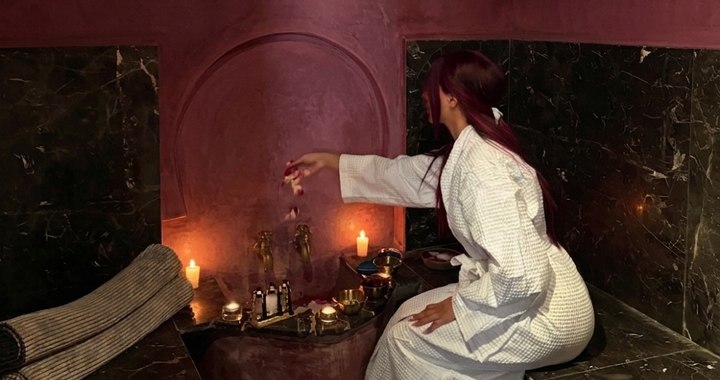
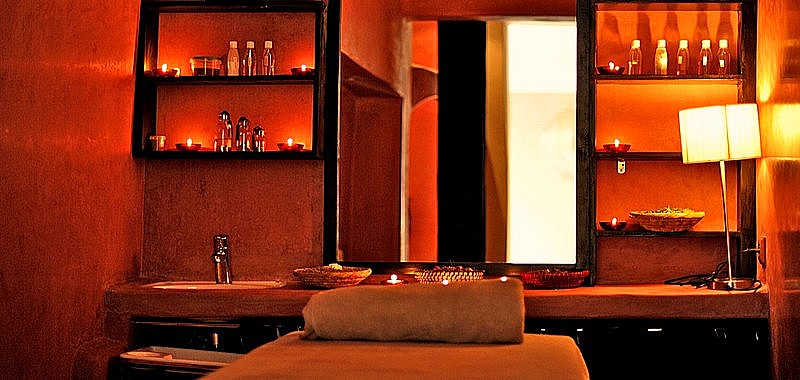
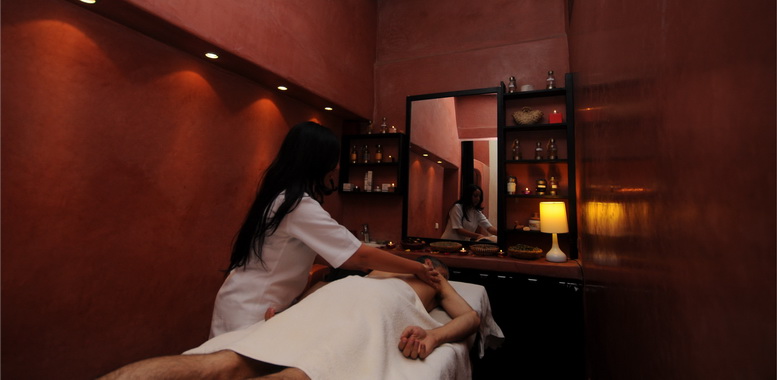
The Health Benefits of a Moroccan Hammam: Skin, Stress & Sleep
Published 18 February 2026 | Riad Vendôme & Spa Marrakech
The Moroccan hammam has been practised for over a thousand years in Morocco, where it is a pillar of social life and wellbeing. But beyond tradition, modern science confirms its many benefits for the skin, circulation, the immune system and mental health. Here are the 10 proven benefits of the traditional hammam, explained by the professionals at Riad Vendôme & Spa Marrakech.
In brief: Health benefits of the Moroccan hammam
- Health benefits of Moroccan hammam: skin renewal, stress relief, better sleep, circulation. What to expect at Riad Vendôme from €25.
- Practised for over a thousand years in Morocco; modern science confirms benefits for skin, circulation, the immune system and mental health.
- Experience it at Riad Vendôme, Dar El Bacha medina, from €25.
- Direct booking / WhatsApp: +212 600 608 608
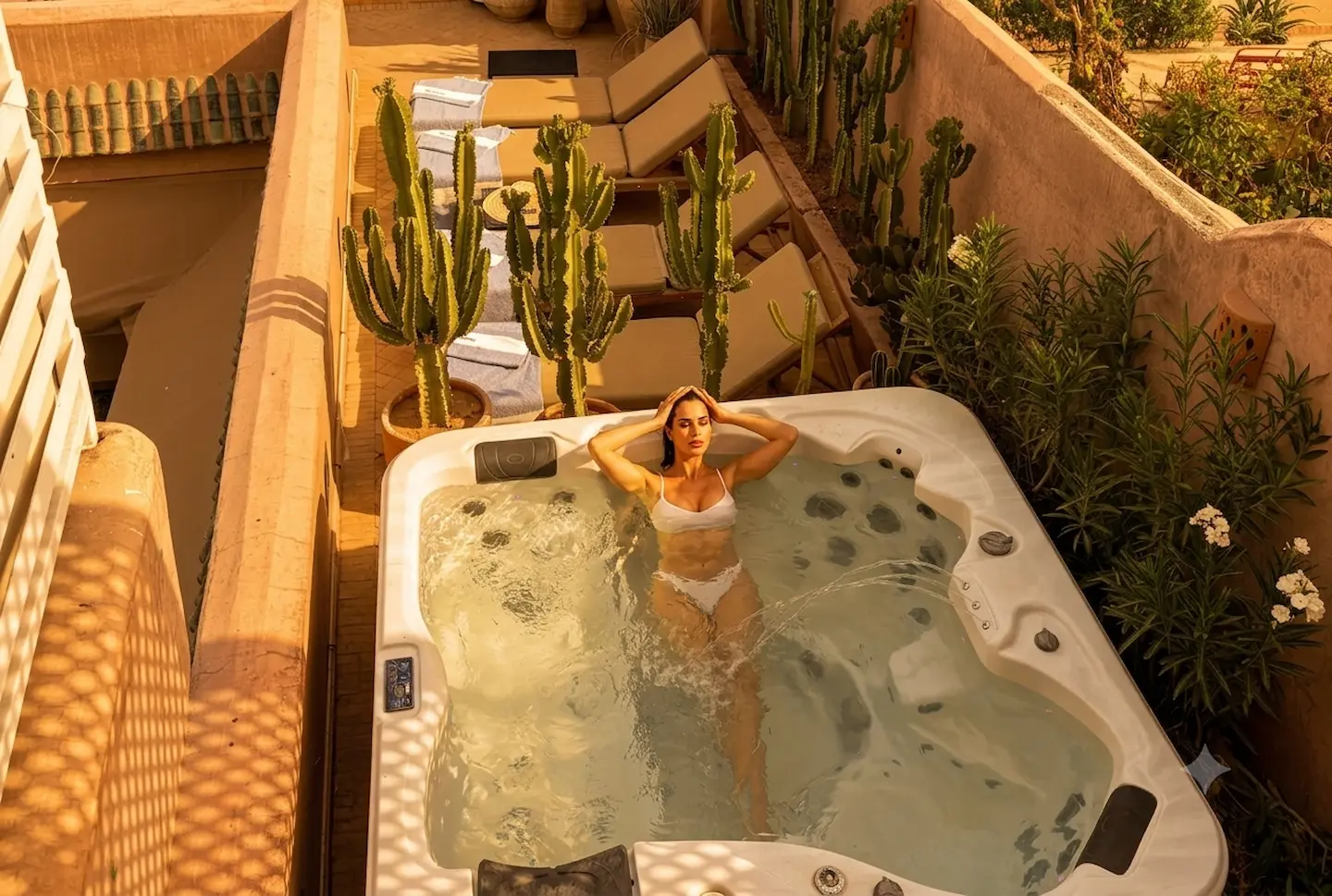
The Spa Vendôme is the in-house spa of Riad Vendôme, managed by the house.
1. Deep detoxification through perspiration
Experience the authentic hammam in Marrakech
The hammam's moist steam at 40-50°C triggers intense perspiration that eliminates toxins accumulated in the body: heavy metals, metabolic waste, excess sodium. Unlike a dry sauna, the hammam's moist steam maintains skin hydration during the process, preventing dryness. A 15-minute steam session eliminates as many toxins as 24 hours of normal kidney function.
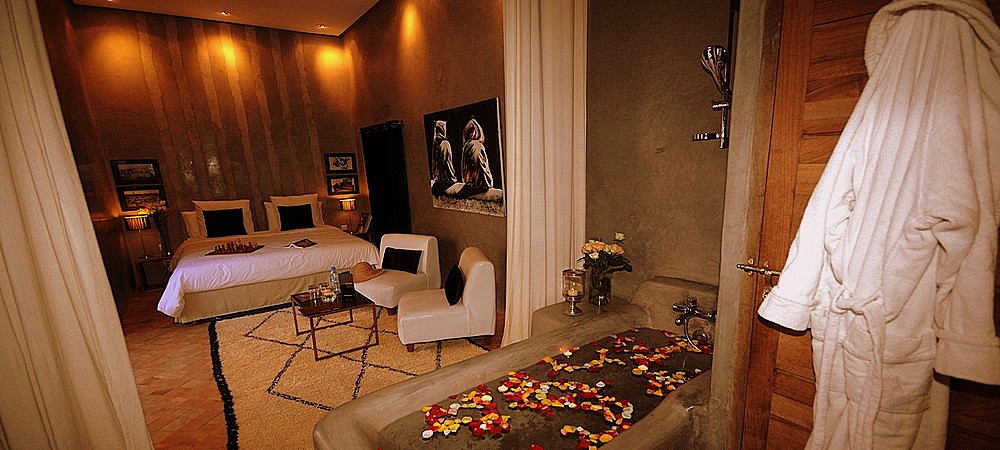
2. Exfoliation and cell renewal
The scrub with black soap and kessa glove is the most spectacular step of the hammam ritual. Black soap (made from black olives and olive oil) softens dead skin cells, and the exfoliating glove removes them by friction. The result is immediately visible: greyish rolls of dead skin accumulate on your body. This mechanical scrub removes 3 to 5 times more dead skin cells than a standard cosmetic scrub, stimulating cell renewal and revealing fresh, smooth and radiant skin.
3. Improved Blood Circulation
The heat of the hammam triggers vasodilation: blood vessels dilate, improving blood circulation throughout the body. Blood rushes to the skin surface (hence the characteristic redness after a hammam), bringing oxygen and nutrients to the tissues. This improved circulation helps reduce cellulite, diminish superficial varicose veins and accelerate the healing of micro-muscle injuries.
4. Relief for Muscular and Joint Pain
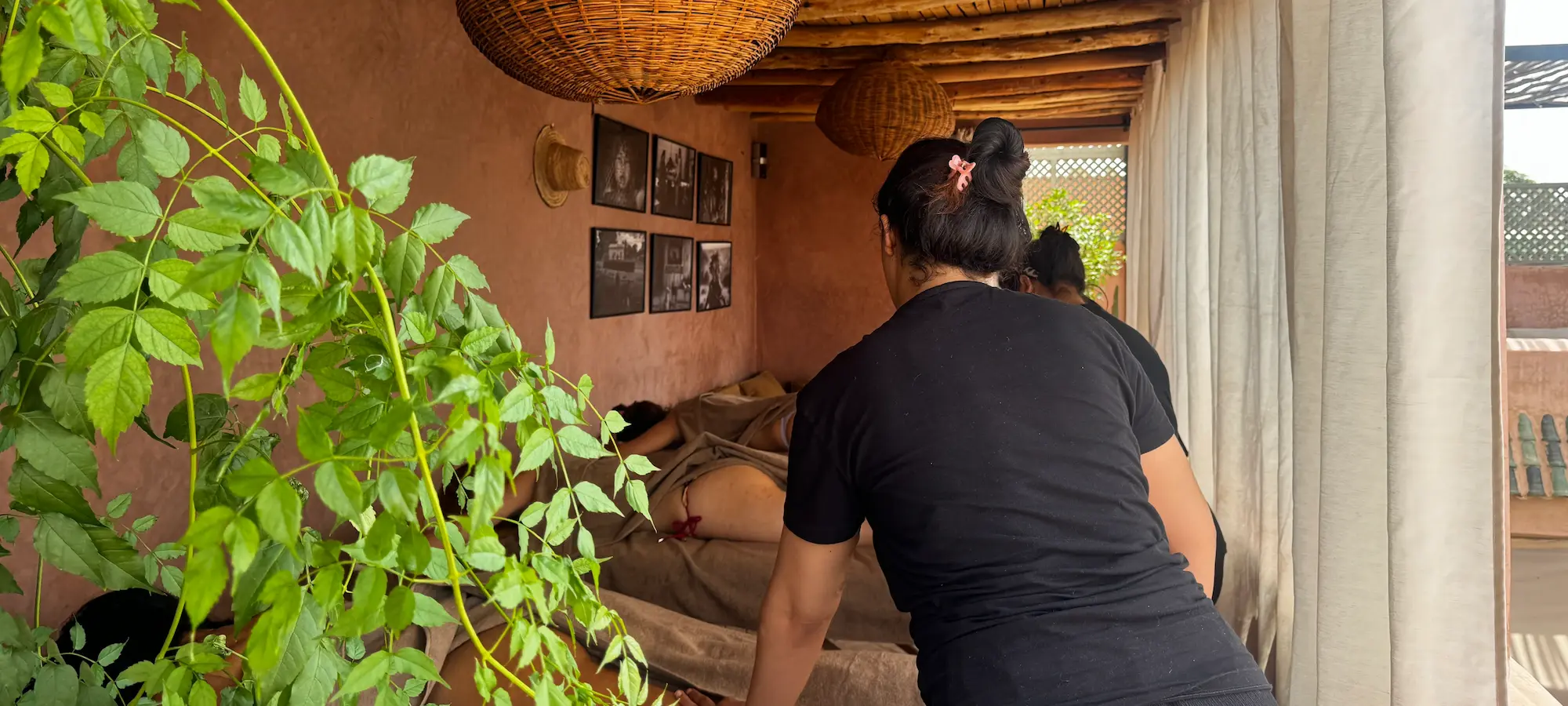
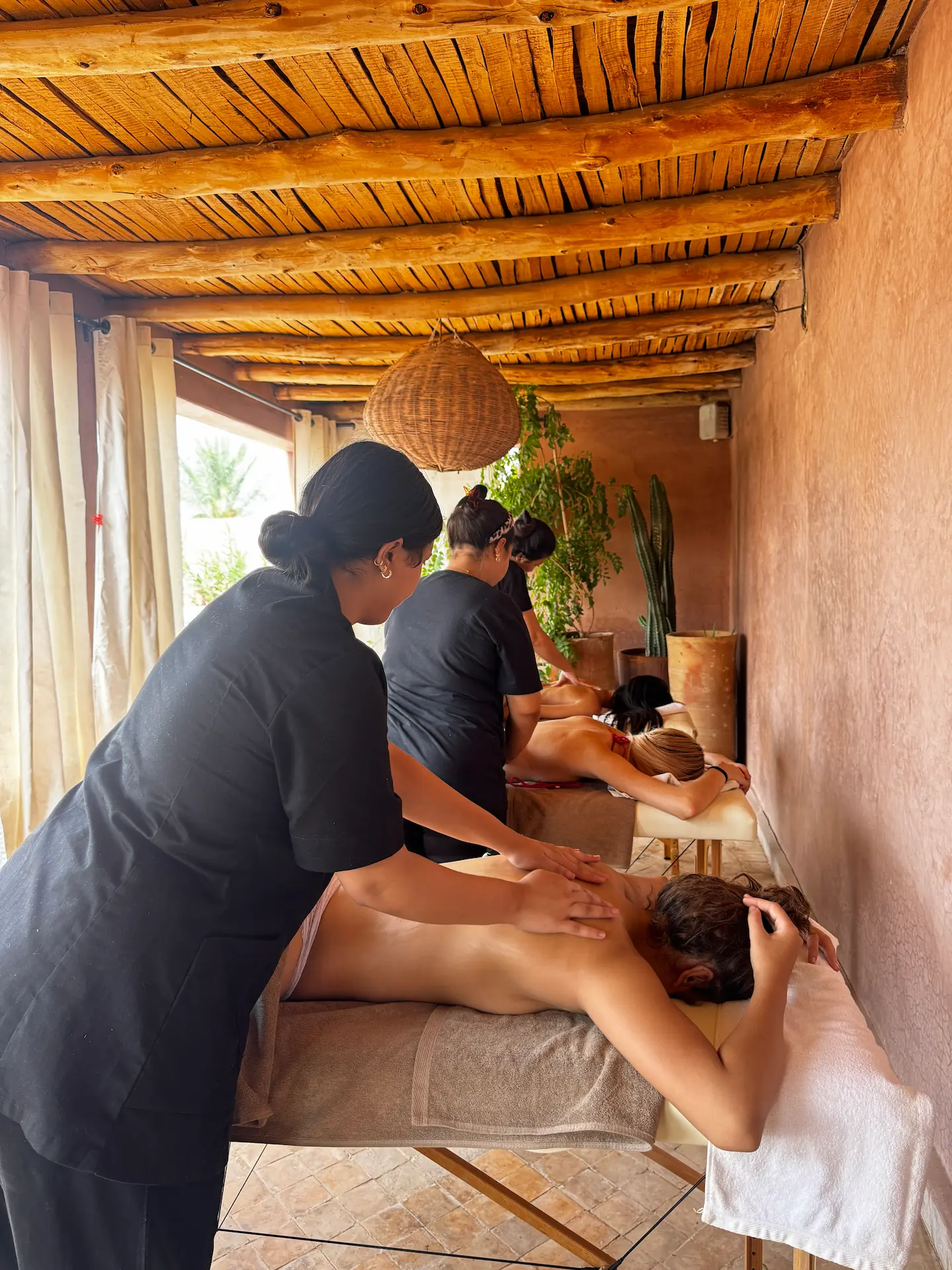
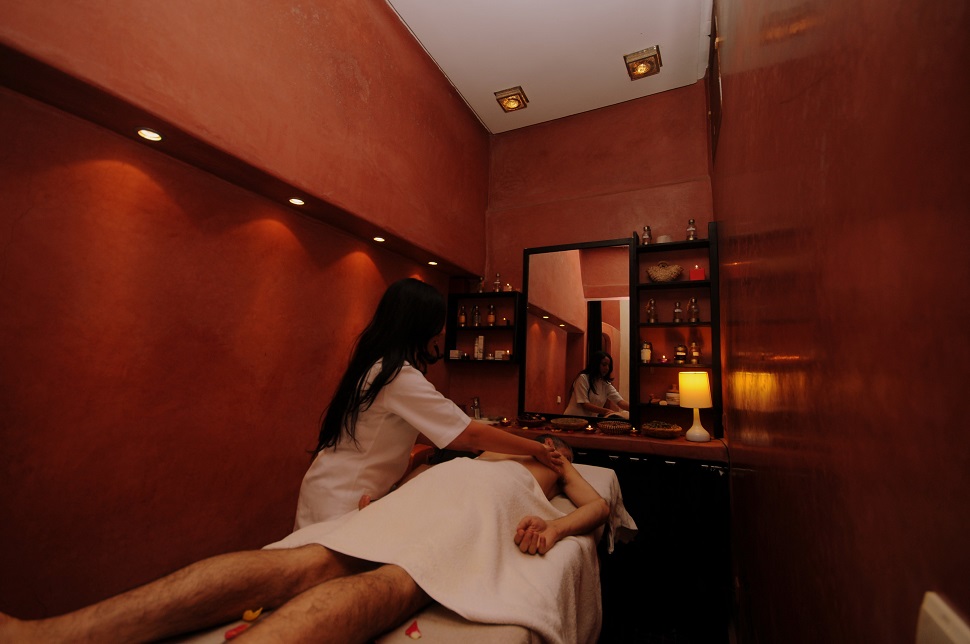
The combination of moist heat and massage is particularly effective against muscle and joint pain. The steam relaxes contracted muscthe and increases joint flexibility. This is why the hammam is recommended after sport (golf, hiking, skiing) and for those suffering from rheumatism or arthritis: moist heat relieves morning stiffness and improves mobility.
5. Purification and Radiant Skin
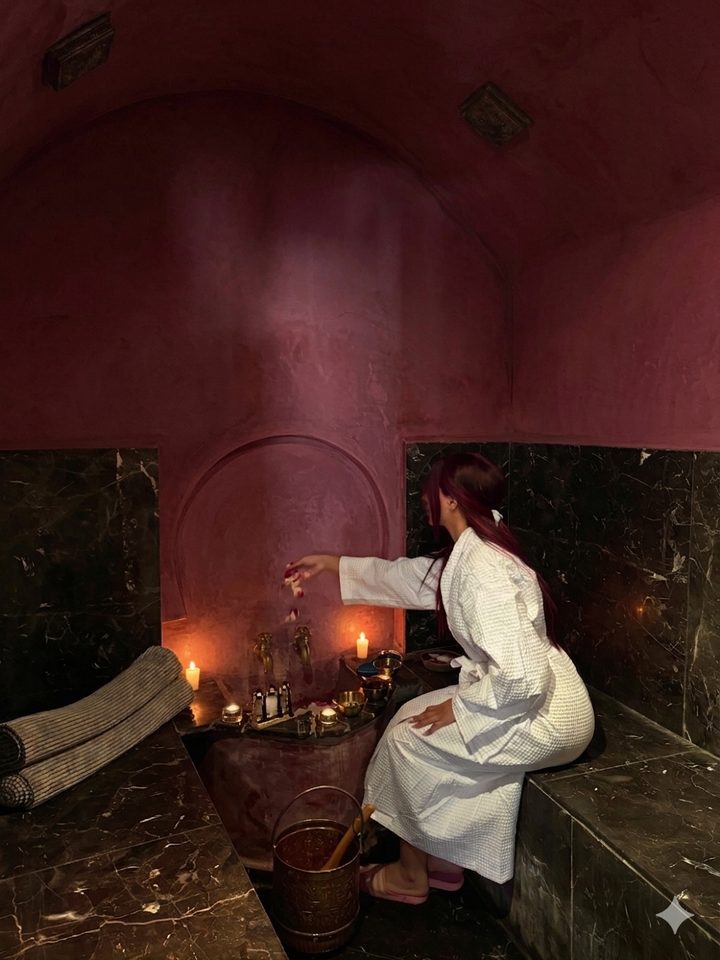
The complete hammam ritual, steam + scrub + body wrap with rhassoul clay: is the most complete dermatological treatment in natural cosmetics. Rhassoul, a clay rich in silica, magnesium, iron and zinc, deeply purifies pores, absorbs excess sebum and delivers essential minerals to the skin. The result: skin freed of impurities, tightened pores, and a uniform, radiant complexion lasting several days.
6. Immune System Boost
Regular exposure to hammam heat stimulates white blood cell production and strengthens the body's natural defences. Studies have shown that people who regularly practise steam bathing (2-3 times a week) have a reduced incidence of colds and flu. Adding eucalyptus essences to the steam enhances this effect by disinfecting the respiratory airways.
7. Stress and Anxiety Reduction
The hammam acts as a natural anxiolytic. The gentle heat, partial darkness, scents of eucalyptus and orange, and human contact during the scrub activate the parasympathetic nervous system and reduce cortisol (the stress hormone) production. After a hammam session, a significant drop in heart rate and blood pressure can be measured. The deep relaxation effect is comparable to a 30-minute meditation session.
8. Improved Sleep Quality
A late-afternoon or evening hammam is a powerful sleep inducer. The rise then fall in body temperature after the session mimics the body's natural thermal sleep cycle, promoting faster and deeper sleep onset. An ideal natural remedy for insomniacs.
9. Respiratory Benefits
Eucalyptus-infused moist steam is a powerful natural decongestant. It moisturises the respiratory mucous membranes, thins bronchial secretions and promotes their expulsion. For allergy and sinusitis sufferers, regular hammam sessions offer genuine relief.
10. Deep Skin Nourishment With Argan Oil
The massage with organic argan oil that concludes the hammam ritual is much more than a moment of relaxation. Argan oil, a cosmetic treasure endemic to Morocco, is exceptionally rich in antioxidant vitamin E, essential fatty acids (omega 6 and 9) and plant sterols. Applied to exfoliated skin whose pores have been opened by the steam, the oil of argan penetrates deeply and nourishes, protects and regenere the skin for several days. It's the treatment anti-age naturel the most efficace of the cosmetic Moroccan.
Experience the authentic hammam in Marrakech
To fully enjoy these 10 benefits, nothing beats a traditional hammam in Marrakech, where the ritual was born and has been passed down for centuries. At traditional hammam in the medina, our private hammam in marble and tadelakt, our therapists trained in ancestral techniques and our 100% natural products (organic black soap, Middle Atlas rhassoul, Essaouira argan oil) offer you the most authentic and effective experience. Sessions from €48 per person.
A neighbourhood fixture rather than a spa treatment
In Morocco the hammam is not something you book as a treat. It is a building at the end of a street, near the mosque and the bakery, and it belongs to the neighbourhood in the same ordinary way they do. Families have used the same one for generations. Men and women go at different times of day, or through different doors, and the rhythm of who is inside shifts as the day goes on: quiet in the morning, busier in the late afternoon, and busiest towards the end of the week, when many households prepare for Friday.
What happens inside is domestic rather than ceremonial. People arrive with a bucket and their own things, greet neighbours, wash, talk, scrub each other's backs, and leave. Mothers bring young children. Older relatives are helped by younger ones. Conversation carries, and so does the sound of water on stone. For a visitor arriving from a culture where washing is private and quick, the striking thing is not the heat but the sociability: that an ordinary weekly task is done in company, without hurry, and that nobody inside is performing anything for anybody.
How a traditional hammam is built, and why
A traditional hammam is organised as a succession of rooms that grow progressively hotter, and the building only makes sense once you understand that you are meant to move through them slowly. You undress and leave your things in the first and coolest room, which doubles as the place where people sit and talk before and after. From there you pass into a warm intermediate room, and then into the hot room, which sits nearest the furnace: historically the same fire that heated the bread oven next door.
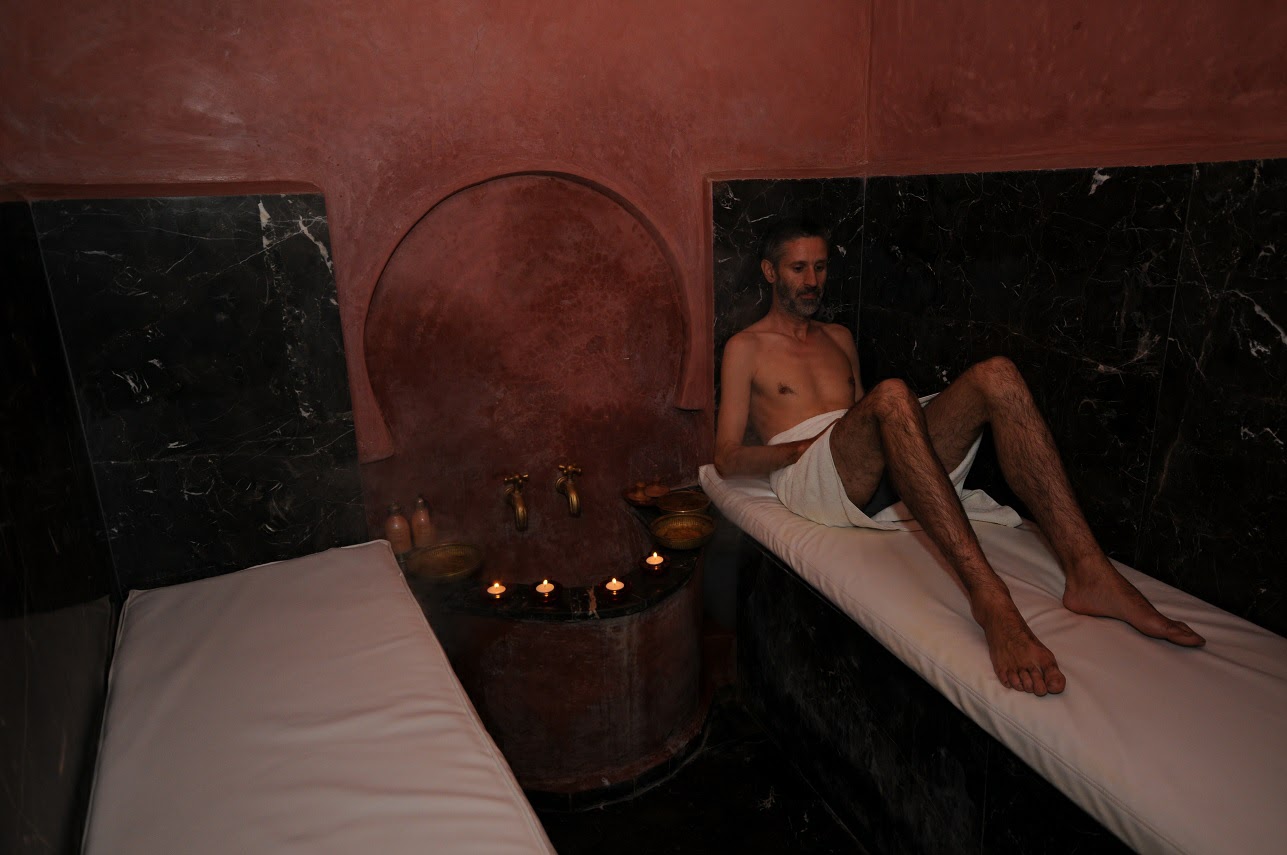
The rooms are built in stone, marble or tadelakt, surfaces that hold warmth and take water without complaint. Light falls from small openings in the domed ceiling rather than from windows, so the air is dim and thick with steam and voices soften. There are no showers to stand under: water is drawn from basins in buckets and poured. The body is meant to acclimatise gradually as it goes deeper in, rest on a heated slab in the hot room, then retreat outwards again to cool. The architecture is the instruction manual, you follow the rooms, and the ritual follows.
The ritual, in sequence
You begin by sitting. Nothing is done to you for a while: you settle into the warm air, pour water over yourself, and let the heat do its slow work. Only once the body has softened does the washing start. Black soap is spread over the skin and left to sit while you go on sitting, and that waiting is part of the sequence rather than a delay in it. Our separate guide to Moroccan black soap covers the soap itself in detail.
Then comes the scrub with the kessa glove, worked firmly over arms, back, legs and torso. It is brisk, methodical, and a little startling the first time. It is also the part everybody remembers, because the evidence of it appears on the skin as it goes. Afterwards you are rinsed with bucket after bucket of warm water, the hair is washed, and rhassoul clay may be applied and rinsed away in its turn. The ending is deliberately gentle: you retreat to the cooler room, wrapped and slowed right down, and sit for a while with a glass of mint tea before dressing. The skin feels smooth and the whole body feels heavy and unhurried. A traditional hammam in Marrakech is built around that ending as much as around the heat.
What a first-time visitor should understand beforehand
A few things surprise people who have not been told. The first is the pace: nothing about a hammam is efficient, and trying to hurry it is the surest way to have a poor time. The second is undress. Codes vary between establishments, and between the men's and women's sessions, but the usual convention is to keep underwear on, and a bathing costume is normally accepted in hammams used by visitors. Nobody is looking at you. Modesty here is a shared practical understanding rather than a source of tension.
The third, and the one worth preparing for, is that you are washed by somebody else. The attendant, the kessala for women, the kessal for men: positions you, turns you and scrubs you, with the matter-of-factness of a job done many times a day. This is entirely normal in Morocco and genuinely startling if you are not expecting it. If the pressure is firmer than you want, say so; asking for it lighter is an ordinary request and it is simply adjusted.
A plain word of caution: the hammam is a hot and humid environment. If you are pregnant, if you live with a health condition, or if you are unsure whether heat suits you, please take your own medical advice before booking any heat treatment. We are hosts rather than clinicians, and we would far rather you asked somebody qualified than guessed.
The neighbourhood hammam and the hammam inside a riad
Both are real, and they are not the same experience. A public neighbourhood hammam is far cheaper, and it is the living version: you are in a room with local families, you bring your own bucket, soap and towel, you find your own patch of floor, and the scrub is arranged directly with the attendant. It is loud, communal and entirely unselfconscious. If you want to understand what the hammam actually is in Morocco, that is where it is.
A private hammam inside a riad is a quieter proposition: a booked slot, a room to yourselves, towels and products laid out, and an attendant whose attention is on your group alone. It is gentler for a first time, easier if you speak neither Arabic nor French, and easier still if the thought of undressing among strangers is the one thing standing between you and going at all. It is also, honestly, a domesticated version, the ritual without the neighbourhood around it. Plenty of guests do the private one first at the riad spa and a public one later in the trip, once they know what happens.
A preparation, not an event
The framing that helps visitors most is this: traditionally, the hammam comes before something. It precedes the end of the week, a wedding, a birth, a return from a long journey, a religious festival. It is how a household makes itself ready. Brides go with their friends and female relatives in the days before a wedding, and that visit is one of the warmest occasions in Moroccan family life.
Understanding the hammam as preparation changes what you expect of it. You are not buying an experience that has to justify itself in the time it takes. You are getting clean, thoroughly and unhurriedly, in a way that draws a line under whatever came before, which is why it sits so well at the start of a stay rather than dropped into a spare afternoon.
Etiquette: what to bring, what to wear, and how to behave
In a riad the practical side is taken care of for you. In a public hammam you bring your own, and the list is short and unglamorous.
- A plastic bucket, a small stool or mat to sit on, and a jug if you have one
- Black soap, a kessa glove, shampoo and a comb: all sold in the shops around any hammam
- A towel, a change of underwear, and flip-flops for the wet floors
- Small change in cash for the entry and for the attendant
- Nothing valuable: the changing room is watched, but informally
The unwritten rules are easy to keep. Underwear stays on. Do not photograph anyone or anything: phones stay in your bag, and this matters more than any other rule here. Do not stare, and do not spread out across space other people need. Ask before using somebody else's water. Greet the attendant and whoever is on the door, going in and coming out. Tipping the attendant who scrubs you is customary and appreciated; hand it over quietly at the end rather than making an announcement of it. And pitch your voice at the level of the room, which is usually more relaxed than visitors expect.
A good thing to do early in a trip, but not on the day you arrive
A hammam near the start of a stay sets the tone for everything after it. It slows you to the pace of the medina, it takes the dust and the flight off your skin, and it gives you an evening that asks nothing more of you than a quiet dinner. Guests who go in the first days tend to sleep well that night and walk the souks the next morning already acclimatised to the rhythm of the place.
Arrival day is the exception. You land tired, dehydrated by the journey, and often still carrying the travelling in your shoulders, and heat on top of that is simply less enjoyable. Give yourself a night first: eat, sleep, drink water, and go the following afternoon instead. Late afternoon is the traditional hour in any case, and it leaves the evening free. If you are planning around a short stay in Marrakech, the second afternoon is close to ideal.
Frequently Asked Questions
Is the Moroccan hammam good for the skin?
Yes, the hammam is one of the best natural treatments for the skin. The steam opens the pores, the black-soap scrub removes dead skin cells, the rhassoul purifies and remineralises, and the argan oil nourishes deeply. After a session, the skin is smooth, bright and nourished for several days.
How often can you do a hammam?
In Morocco, tradition recommends 1 to 2 hammams per week. For sensitive skin, once a week is enough. The kessa scrub should not be done more than twice a week, to respect the skin's cell-renewal cycle (28 days).
Does the hammam help you sleep better?
Yes, the hammam at the end of the afternoon is a powerful sleep inducer. The rise then the drop in body temperature mimics the natural thermal cycle of sleep. Combined with the drop in cortisol, this promotes quicker sleep onset and deeper sleep.
Does the hammam help you lose weight?
The hammam does not make you lose weight directly: the immediate weight loss is due to perspiration (water) and is regained by drinking. However, regular hammam sessions improve circulation, reduce water retention and reduce the appearance of cellulite. Combined with a balanced diet, it's a precious ally for wellbeing.
How does a traditional Moroccan hammam improve blood circulation in the body?
The heat of the hammam triggers vasodilation, widening blood vessels and improving circulation throughout the body. Blood rushes to the skin surface, which is why you look flushed afterward, carrying oxygen and nutrients to the tissues. This improved circulation helps reduce the appearance of cellulite, diminish superficial varicose veins and speed the healing of micro-muscle injuries.
Can a hammam session help relieve muscle and joint pain after sport?
Yes, the combination of moist heat and massage is particularly effective against muscle and joint pain. The steam relaxes contracted muscles and increases joint flexibility, which is why the hammam is recommended after sport such as golf, hiking or skiing, and for those with rheumatism or arthritis, since the moist heat relieves morning stiffness and improves mobility.
Does a Moroccan hammam session help reduce stress and anxiety?
Yes, the hammam acts as a natural anxiolytic. Its gentle heat, partial darkness, scents of eucalyptus and orange, and human contact during the scrub activate the parasympathetic nervous system and reduce cortisol, the stress hormone. A measurable drop in heart rate and blood pressure follows, giving a relaxation effect comparable to a 30 minute meditation session.
Where exactly is Riad Vendôme located in Marrakech?
Riad Vendôme is at 217 Derb El Halfaoui, in the Dar El Bacha district of the Marrakech medina. It is a 7-minute walk from Jemaa El-Fna square, close to the Koutoubia and the souks, so you reach the main sights on foot without needing a taxi. A member of staff meets you at the nearest vehicle drop-off point on arrival.
How do I book, and how quickly do you reply?
You book directly with the riad, not through a platform. Send your dates and group size on WhatsApp at +212 600 608 608 and you receive a written quote within minutes. There is no automated booking engine: every stay is confirmed by a person, and the payment terms are set out in the quote you receive.
Can the whole riad be privatised, and for how many guests?
Yes, Riad Vendôme can be hired exclusively. The main riad has 12 rooms and goes up to 20 rooms with a partner riad 100 metres away, for exclusive hire of up to 50 guests. During an exclusive hire there are no other guests: the pool, hammam, jacuzzi and rooftop are reserved for your group alone.
What is the difference between a public neighbourhood hammam and a private one in a riad?
A public hammam is the everyday version: cheaper, communal, used by local families, and you bring your own bucket, soap and towel. A private hammam in a riad is a booked slot in a room reserved for your group, with towels and products provided and an attendant giving you full attention. The public one is more authentic; the private one is gentler for a first visit.
What should I wear in a Moroccan hammam?
The usual convention is to keep your underwear on, and in hammams used by visitors a bathing costume is normally accepted as well. Bring a dry change of underwear, because what you wear inside will be soaked. Flip-flops are useful on the wet floors. Modesty here is a shared practical understanding rather than a rule anybody polices, and nobody pays attention to anyone else.
Will somebody else wash me, and is that normal?
Yes to both. An attendant, the kessala for women or the kessal for men, positions you, turns you and scrubs you with a kessa glove. It is a job done many times a day and there is nothing ceremonial about it, but it can be startling if nobody has warned you. If the pressure is firmer than you want, say so; asking for it lighter is completely ordinary.
What do I need to bring to a neighbourhood hammam?
A plastic bucket, a small stool or mat, black soap, a kessa glove, shampoo, a comb, a towel, a change of underwear and flip-flops. Small change in cash covers the entry and the attendant. Everything on that list is sold in the shops around any hammam, so you can arrive empty-handed and buy it on the way in. Leave anything valuable at your riad.
Should I tip the attendant who scrubs me?
Tipping the attendant is customary in Morocco and genuinely appreciated, whether you are in a neighbourhood hammam or in a riad. Hand it over quietly at the end rather than making an announcement of it, and carry small notes in cash, since change is not always available. It is a gesture of thanks for physical work, not a negotiation over the price.
When during my trip should I go to the hammam?
Early in the stay, but not on the day you arrive. Landing tired and dehydrated makes heat less enjoyable rather than more. Give yourself a night to sleep and drink water, then go the following afternoon. Late afternoon is the traditional hour, it leaves the evening free for a quiet dinner, and going near the start settles you into the pace of the medina.
Do men and women use the hammam together?
Not in a public hammam. Men and women are separated, either by different entrances or by different hours of the day allocated to each, and the times vary from one hammam to another, so it is worth checking locally. A private hammam booked inside a riad is reserved for your own group, so couples and mixed groups of friends can use it together.
⭐ Google 4.2/5 (617 reviews) · ✈️ TripAdvisor 4.2/5 · 🎉 500+ events organised since 2013
The Riad Vendôme is classified by the Moroccan Ministry of Tourism.
Related: Spa Day Marrakech.